Selecting the right material involves evaluating the five most common resins—Polypropylene, ABS, Polycarbonate, Polystyrene, and Nylon—while utilizing plaster casting as a critical prototyping bridge to ensure manufacturing success. You often face a daunting challenge when moving from a digital concept to a physical product. Choosing the wrong resin can lead to structural failure or excessive costs that drain your project’s budget before you even reach the market. Plastic Injection Moulding is the gold standard for high-volume production, but navigating its material complexities requires a deep understanding of resin properties and validation methods.
Imagine the frustration of receiving your first shipment of parts only to find they warp under heat or shatter upon impact. This isn’t just a minor setback; it’s a financial drain that can stall your company’s growth for months. Your competitors are likely already optimizing their material selection to balance durability with cost-efficiency. Without a strategic roadmap for resin selection and process validation, you risk falling behind in a rapidly evolving manufacturing landscape.
Fortunately, mastering the core materials of the industry and leveraging plaster casting for early-stage validation provides a clear path to production excellence. This guide breaks down the essential resins you need to know and explains how plaster casting functions as a low-risk precursor to full-scale molding. By aligning your design with the right material and prototyping process, you ensure that every part meets your performance standards. Start your journey toward manufacturing precision by exploring the following professional insights into the world’s most versatile resins.
Why is PP vital for Plastic Injection Moulding?
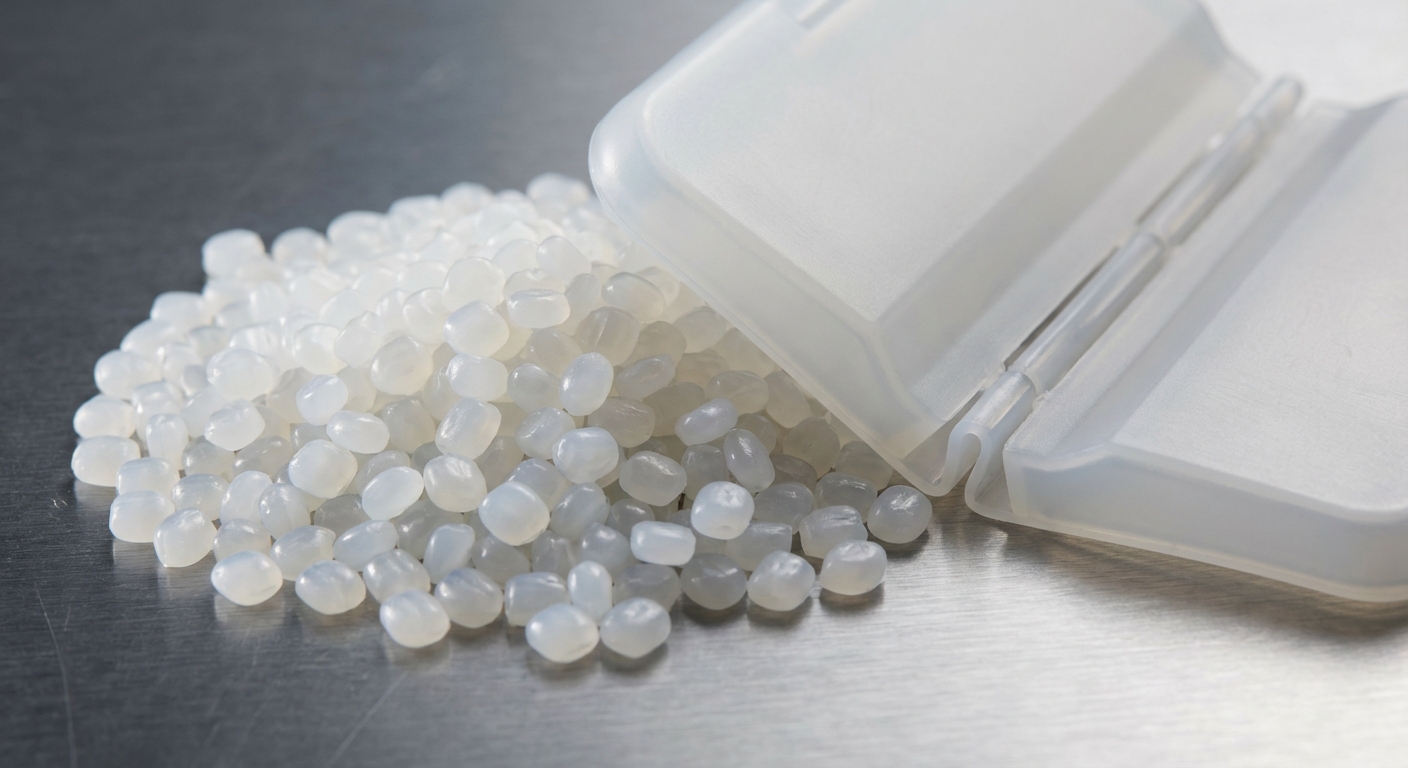
Polypropylene (PP) is vital because it offers an unmatched combination of chemical resistance, fatigue endurance, and cost-effectiveness for high-volume production. In the competitive realm of Plastic Injection Moulding , PP stands out as the second most widely produced synthetic plastic. You will find it in everything from automotive battery cases to food containers and medical syringes. Its ability to act as a “living hinge” makes it indispensable for products that require repeated bending without breaking.
The resin’s low density also makes it one of the lightest thermoplastics available to engineers today. This weight advantage directly translates to lower shipping costs and improved fuel efficiency in automotive applications. While it possesses a high melting point, it remains easy to process, allowing for rapid cycle times. You can count on PP to resist moisture absorption, ensuring that your parts maintain dimensional stability even in humid environments.
Exceptional Fatigue Resistance
It’s no secret that some materials fail after just a few uses. But when it comes to durability:
- PP handles millions of flex cycles without cracking.
- It is the primary choice for flip-top caps and integrated hinges.
- The material absorbs energy instead of fracturing under stress.
You should consider this resin whenever your part requires a flexible component that stays attached to the main body. Its molecular structure allows it to undergo significant deformation and return to its original shape.
High Chemical Resilience
Think about the harsh environments your products might encounter. The truth is:
- PP is virtually unaffected by most acids and bases.
- It serves as an excellent barrier against organic solvents and cleaning agents.
- This resistance makes it ideal for chemical storage and lab equipment.
Using PP ensures that your product won’t degrade when exposed to common household or industrial chemicals. This longevity builds trust with your end-users who expect high-performance longevity.
Low Cost and High Recyclability
Let’s talk about the bottom line for a moment. Because here is the deal:
- PP is one of the most affordable resins on the market today.
- Its high recyclability appeals to environmentally conscious brands and consumers.
- Efficient processing reduces waste during the manufacturing phase.
Key TakeawayPolypropylene is the premier choice for lightweight, durable components that must withstand chemical exposure and repetitive mechanical stress at a low price point.
| Key Feature | Industrial Benefit | |
|---|---|---|
| Living Hinge Capability | Reduces part count and assembly labor | |
| Chemical Inertness | Increases product lifespan in harsh environments | |
| Low Density | Reduces overall shipping and material costs |
Is ABS best for Plastic Injection Moulding?
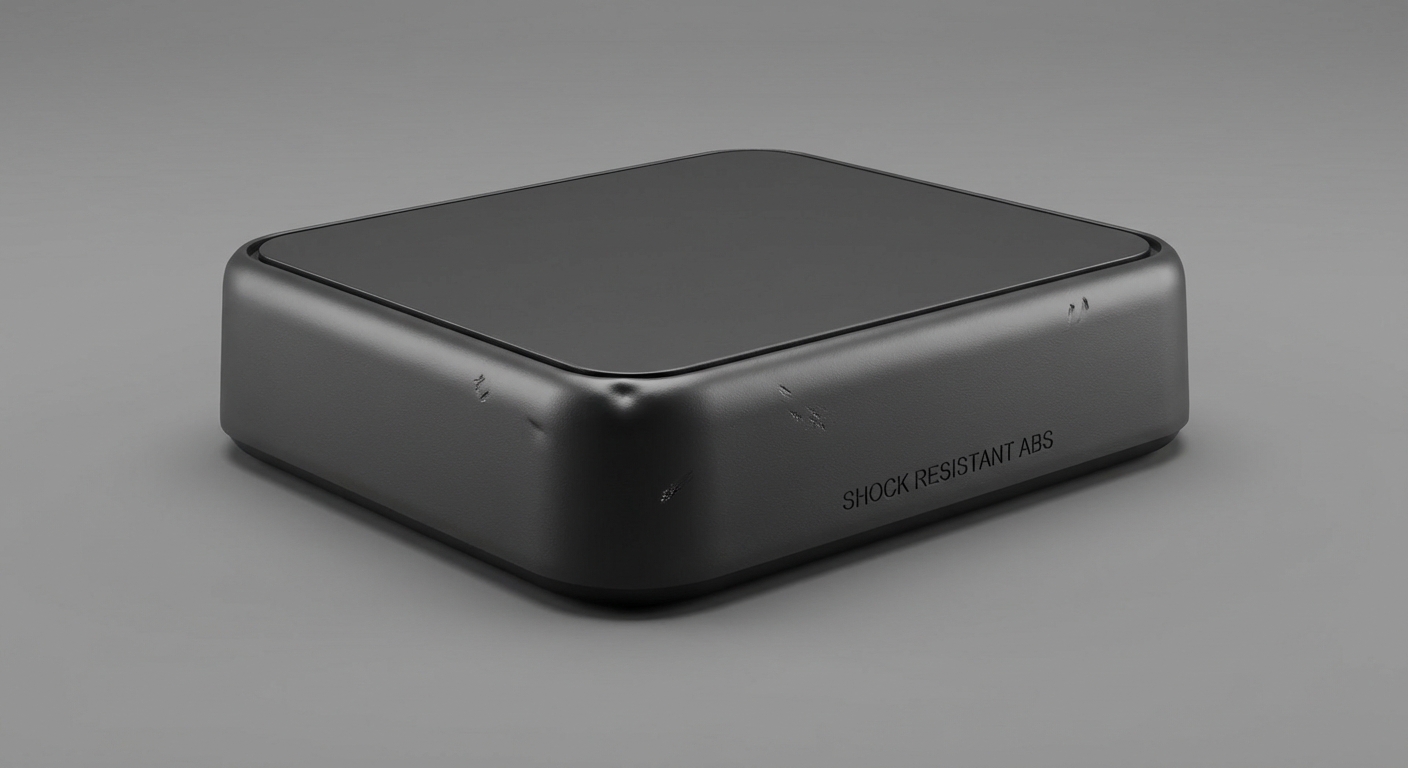
ABS is often considered the best all-around resin because it balances high impact resistance, rigidity, and superior aesthetic finishes. When you utilize Plastic Injection Moulding for consumer-facing products, ABS provides a professional “feel” that cheaper resins cannot match. It is the material of choice for computer keyboards, power tool housings, and automotive interior trim. Its three components—acrylonitrile, butadiene, and styrene—work together to provide chemical resistance, toughness, and a glossy appearance.
One of the biggest advantages of ABS is its incredible dimensional stability during the cooling phase. This means your parts will emerge from the mold with very little warping or shrinkage, meeting tight tolerances consistently. You can also easily paint, plate, or glue ABS components, giving you massive flexibility in post-processing. If your product needs to survive a drop onto a hard floor, ABS is likely the resin you need.
Unrivaled Impact Strength
You need a part that can take a beating. Check this out:
- The butadiene component acts as a rubberized shock absorber.
- It maintains its toughness even at lower temperatures.
- ABS is the standard for protective headgear and rugged electronics.
This toughness ensures that your product remains functional even after accidental misuse. You gain peace of mind knowing that your brand’s reputation for quality is protected by the material itself.
Superior Surface Finish
First impressions are everything in the B2B world. Believe it or not:
- ABS can achieve a mirror-like high-gloss finish straight from the mold.
- It holds textures like “leather-grain” or “matte-sandblast” exceptionally well.
- The material is naturally opaque, allowing for vibrant, consistent coloring.
When your customers hold an ABS part, they perceive it as a premium, high-value item. This aesthetic advantage can be the deciding factor in a crowded marketplace.
Ease of Post-Processing
Manufacturing doesn’t always end when the mold opens. And here’s why that matters:
- ABS is one of the easiest plastics to bond using ultrasonic welding or adhesives.
- It accepts vacuum metalizing for a chrome or metallic appearance.
- CNC machining of ABS prototypes is straightforward and highly accurate.
Key TakeawayABS provides the ideal combination of mechanical toughness and aesthetic versatility, making it the standard for high-end consumer and industrial housings.
| Key Feature | Industrial Benefit | |
|---|---|---|
| Impact Resistance | Prevents breakage during shipping and daily use | |
| Surface Quality | Enhances brand perception through premium finishes | |
| Stability | Ensures parts fit together perfectly in complex assemblies |
Can PC enhance Plastic Injection Moulding clarity?
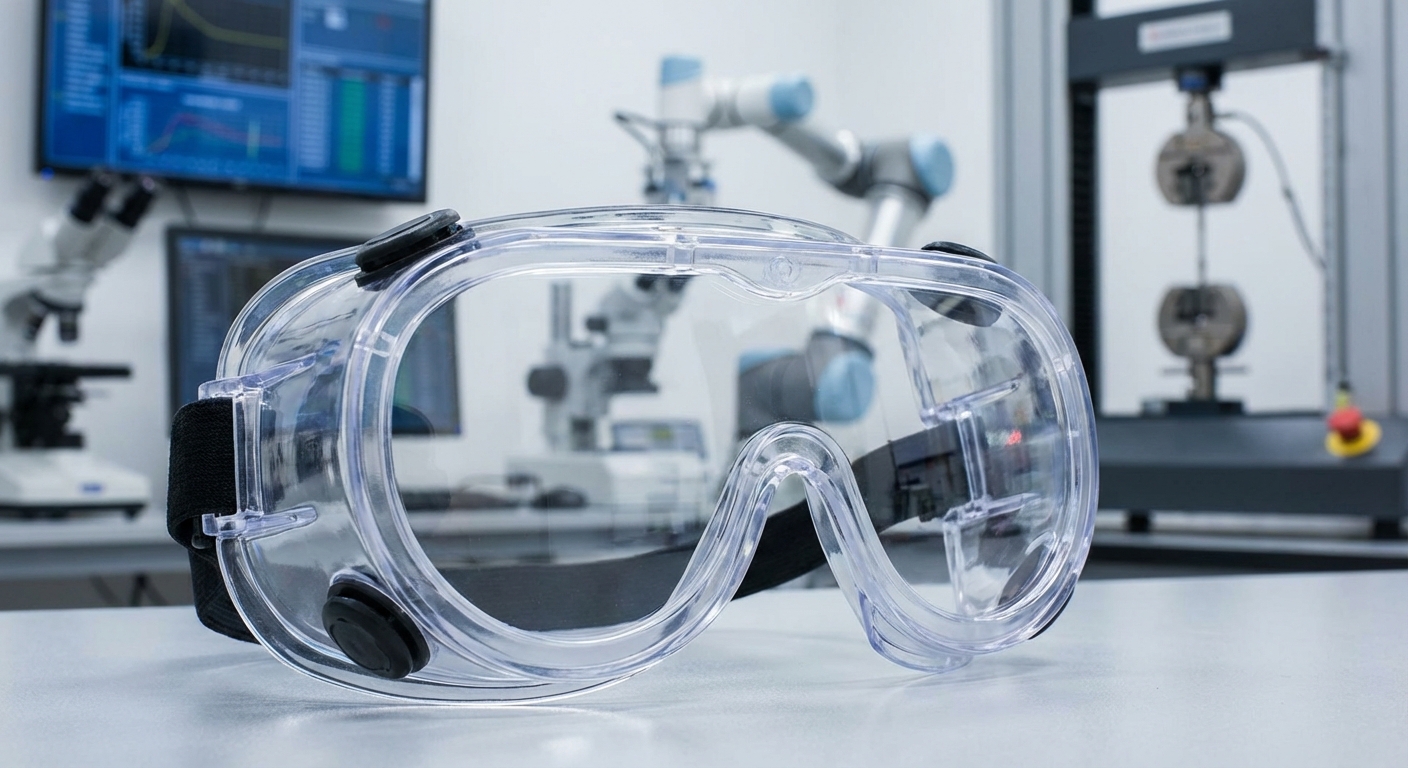
Polycarbonate (PC) significantly enhances clarity by offering transparency that rivals glass while providing nearly 250 times the impact resistance. In the world of Plastic Injection Moulding , PC is classified as an engineering-grade resin due to its extreme strength and heat resistance. You will see it used for safety goggles, automotive headlight lenses, and medical device components. It is the perfect solution when you need to see through a part that must also survive high-pressure or high-impact environments.
Beyond its optical properties, PC maintains its structural integrity across a wide temperature range. It doesn’t become brittle in the cold or soft in the heat, which is critical for outdoor or industrial applications. While it is more expensive than commodity resins, its performance in demanding situations is often irreplaceable. You must account for its high processing temperature, but the resulting parts are virtually unbreakable.
Extreme Impact Resistance
Safety is never an area where you should compromise. The bottom line is:
- PC is commonly used for bullet-resistant “glass” and riot shields.
- It can withstand high-velocity impacts without shattering into sharp shards.
- The material deforms slightly under stress rather than snapping.
This level of protection is vital for industrial machinery guards and laboratory equipment. You can trust PC to keep your operators safe while maintaining a clear view of the process.
High Heat Deflection
What happens when your product gets hot? You’ll be glad to know:
- PC maintains its shape at temperatures up to 135°C (275°F).
- It is frequently used for light covers that sit close to high-output bulbs.
- The resin is naturally flame-retardant in many commercial grades.
This thermal stability ensures that your components won’t warp or fail in engine compartments or near heat-generating electronics. It adds a layer of reliability that lower-grade plastics simply cannot provide.
Optical Transparency
Sometimes you need to see exactly what’s happening inside. It’s quite simple:
- PC offers light transmission rates similar to high-quality glass.
- It is much lighter than glass, reducing the weight of handheld devices.
- UV-stabilized grades prevent yellowing over time when exposed to sunlight.
Key TakeawayPolycarbonate is the essential material for any application requiring the combination of crystal-clear transparency and extreme physical durability.
| Key Feature | Industrial Benefit | |
|---|---|---|
| Optical Grade Clarity | Replaces heavy glass in safety and lighting applications | |
| Extreme Strength | Eliminates the risk of catastrophic part failure | |
| Thermal Range | Performs reliably in both extreme cold and high heat |
Why use PS for Plastic Injection Moulding?
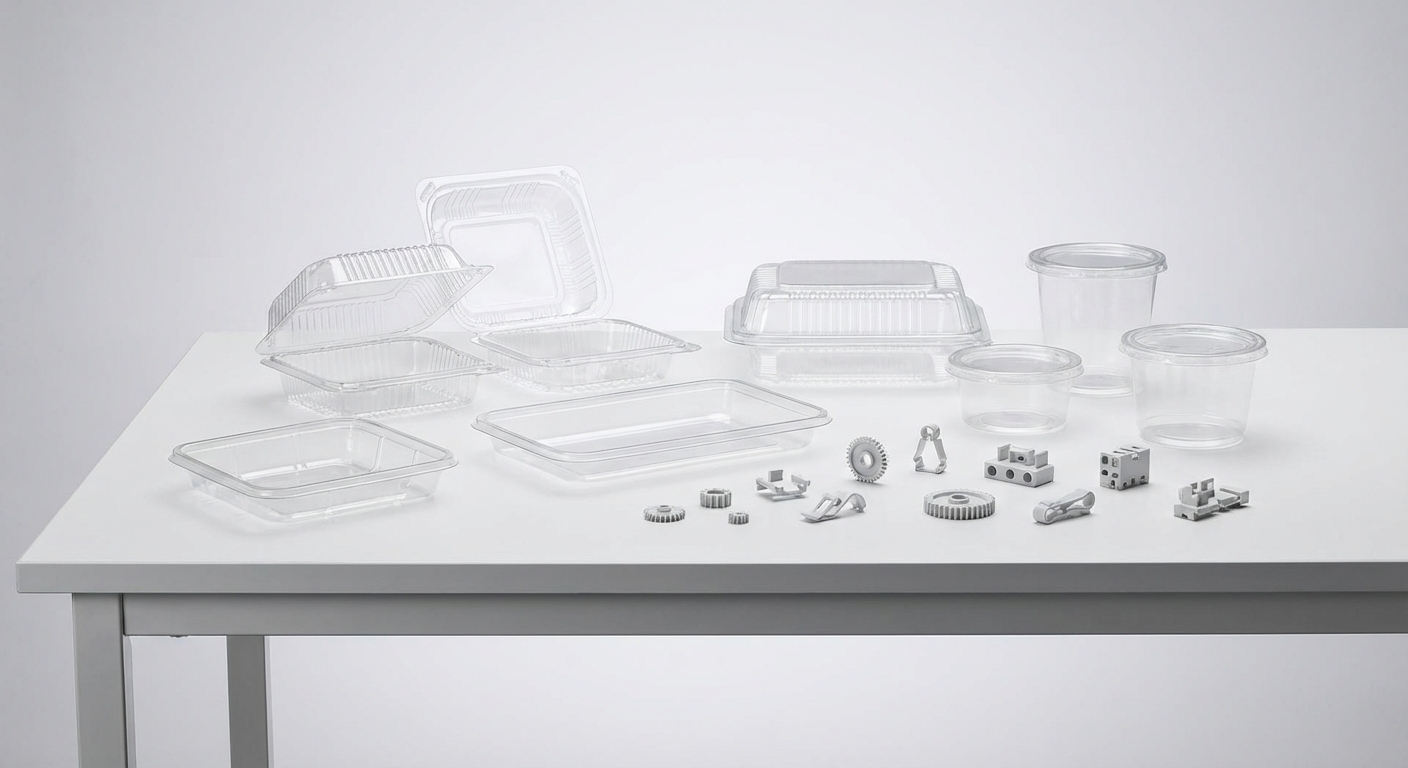
You should use Polystyrene (PS) when your project requires high dimensional stability and low material costs for high-volume, rigid components. While PS is more brittle than ABS or PP, its predictable behavior during Plastic Injection Moulding makes it a favorite for medical test tubes, jewel cases, and disposable cutlery. It flows easily into complex mold cavities, allowing for very thin walls and intricate details. If your priority is a stiff, clear, and inexpensive part, PS is often the most logical choice.
There are two main types of PS: General Purpose Polystyrene (GPPS) and High Impact Polystyrene (HIPS). GPPS is clear and brittle, while HIPS is modified with rubber to improve toughness, though it loses its transparency. You can choose the grade that best fits your specific mechanical requirements while keeping your production costs at an absolute minimum. Because it has very low moisture absorption, it remains stable even after years on a shelf.
Exceptional Dimensional Stability
Precision matters when parts need to snap together. The fact is:
- PS has one of the lowest shrinkage rates of all common resins.
- It maintains its exact shape through the entire cooling process.
- This makes it ideal for precision laboratory equipment and petri dishes.
You won’t have to worry about “sink marks” or warped edges with PS. This consistency ensures that your assembly line stays moving without part-fitment issues.
Cost Efficiency at Scale
When you are producing millions of units, every penny counts. Think about this:
- PS is consistently one of the cheapest resins available globally.
- Its low processing temperature reduces energy consumption during molding.
- Fast cycle times mean you get more parts per hour from your machine.
If your product is a single-use item or a low-stress component, PS maximizes your profit margins. It allows you to compete on price without sacrificing basic functional quality.
High Rigidity
Sometimes a flexible plastic is exactly what you don’t want. In these cases:
- PS provides a very stiff structure that doesn’t bend under light loads.
- It offers a crisp, “tinkling” sound that implies hardness and precision.
- The material can be polished to a very high luster.
Key TakeawayPolystyrene is the most economical solution for rigid, clear, and highly detailed parts where high impact resistance is not a primary design requirement.
| Key Feature | Industrial Benefit | |
|---|---|---|
| Low Shrinkage | Ensures extreme accuracy in high-volume runs | |
| Economic Price | Lowers the barrier to entry for mass-market products | |
| Easy Flow | Allows for the production of very thin and complex geometries |
Does Nylon boost Plastic Injection Moulding?
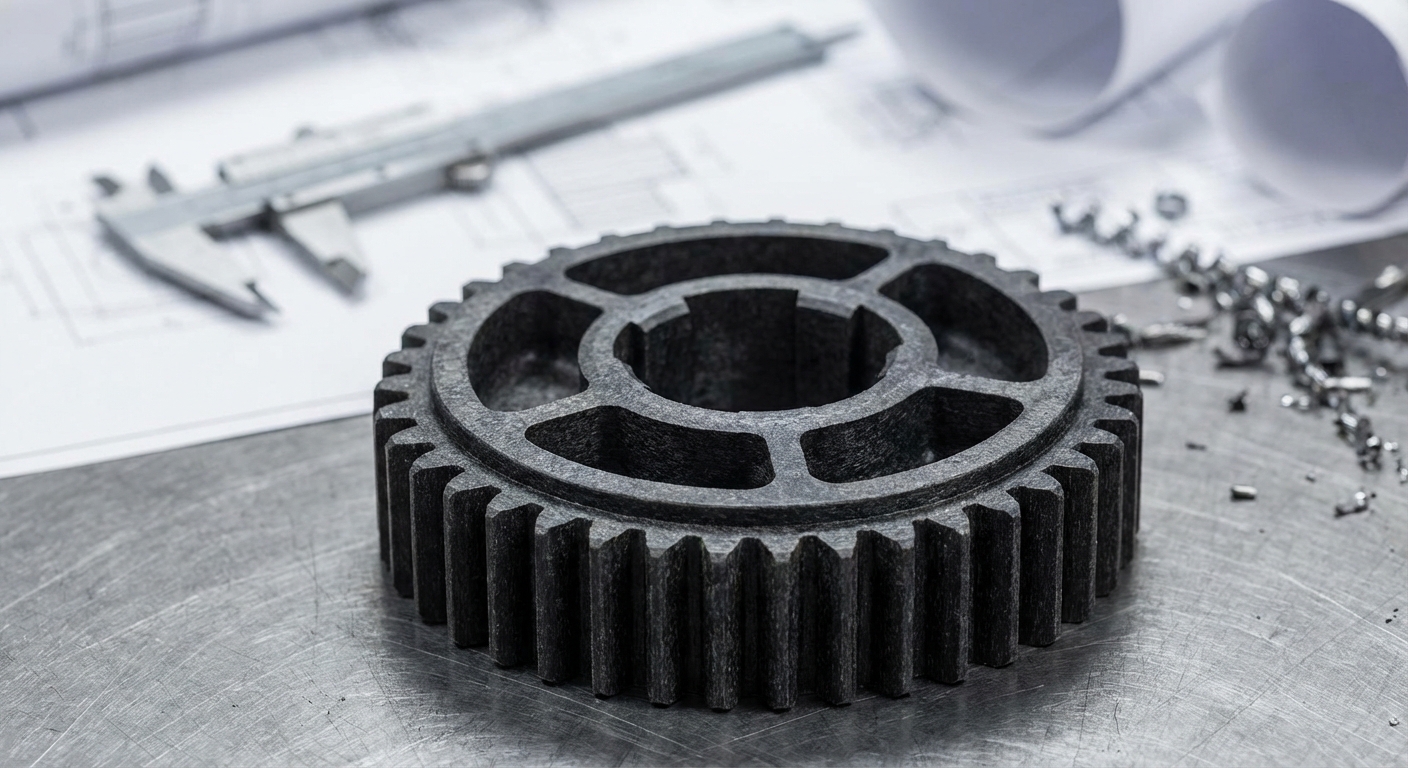
Nylon boosts Plastic Injection Moulding by providing exceptional tensile strength and wear resistance, allowing plastic parts to replace metal components in mechanical assemblies. When you consult with experts at Futurismold , you’ll find that Nylon (also known as Polyamide) is the workhorse of the automotive and industrial sectors. It is used for engine covers, gears, and structural brackets that must endure constant friction and heat. Its high melting point and chemical resistance make it perfect for environments that would melt or degrade standard plastics.
One of Nylon’s most unique properties is its self-lubricating nature. This means you can design gears and bearings that operate smoothly without the need for messy external oils. While it is sensitive to moisture (it can absorb water from the air), this can actually be managed through proper annealing or by using specific glass-filled grades. When you need a “tough as nails” material that can survive under a car hood, Nylon is the answer.
Replacement for Metal Parts
Weight reduction is the future of industrial design. Consider the following:
- Glass-filled Nylon can achieve stiffness levels comparable to some metals.
- It is significantly lighter than aluminum or steel.
- Injection molding Nylon parts is much faster and cheaper than machining metal.
By switching to Nylon, you can reduce your product’s weight and complexity. This leads to faster assembly times and lower overall shipping costs for your business.
Wear and Abrasion Resistance
Moving parts are the first to fail in any machine. However:
- Nylon has a very low coefficient of friction.
- It resists surface wear even in high-speed applications.
- This material “heals” slightly from small scratches rather than gouging.
Your customers will appreciate a product that doesn’t squeak or fail prematurely. Nylon ensures that your mechanical assemblies remain reliable for their entire service life.
High Chemical and Heat Stability
Don’t let fluids or heat ruin your design. The reality is:
- Nylon is highly resistant to oils, fuels, and many industrial greases.
- It can operate in temperatures exceeding 100°C for long periods.
- This makes it the go-to resin for the automotive aftermarket.
Key TakeawayNylon is the premier engineering resin for high-stress mechanical applications where strength, heat resistance, and wear endurance are non-negotiable.
| Key Feature | Industrial Benefit | |
|---|---|---|
| Self-Lubrication | Reduces maintenance and increases mechanical efficiency | |
| High Strength-to-Weight | Enables metal-to-plastic conversion for cost savings | |
| Chemical Resistance | Ideal for automotive and industrial fluid contact |
What is Plaster Casting for Plastic Injection Moulding?

Plaster casting is a specialized manufacturing process used to create high-precision prototypes and low-volume production parts that simulate the properties of Plastic Injection Moulding. In this process, a master pattern—often created via 3D printing or CNC machining—is used to form a mold out of gypsum or a specialized plaster blend. Once the plaster hardens, the master is removed, and liquid resin or metal is poured into the cavity. This method is exceptionally useful when you need more than a few parts but aren’t ready to invest $20,000 in a steel mold.
The primary role of plaster casting in your development cycle is validation. It allows you to test the fit, form, and function of a part using materials that behave very similarly to final production resins. Because plaster is much easier to work with than steel, you can iterate your design quickly and at a fraction of the cost. It bridges the gap between a digital file and a mass-produced component, ensuring your final injection mold is perfect on the first try.
Defining the Gypsum Process
You might wonder how a simple powder becomes a mold. It’s quite straightforward:
- Specialized plasters are mixed with water to create a slurry.
- This slurry captures microscopic details from the master pattern.
- The mold is baked to remove moisture and create a rigid, porous structure.
This process allows for the creation of complex geometries that would be difficult to eject from a standard two-part steel tool. You gain the freedom to experiment with undercuts and intricate textures.
Prototyping for Production
Don’t jump into the deep end without a life jacket. Think of it this way:
- Plaster casting produces parts that “feel” like injection-molded components.
- You can test these parts in real-world scenarios before mass production.
- It identifies issues like assembly interference or structural weak points.
Using this method saves you from the “tooling nightmare” of having to modify a hardened steel mold. It is a strategic insurance policy for your manufacturing budget.
Bridge to Low-Volume Manufacturing
Sometimes you only need 50 parts for a pilot launch. Here is the benefit:
- Plaster molds are significantly cheaper than aluminum or steel tools.
- They can be produced in days rather than weeks.
- You can provide functional samples to investors or early-access clients.
Key TakeawayPlaster casting is a vital intermediary process that provides functional, high-detail prototypes to validate designs before committing to expensive high-volume tooling.
| Process Step | Importance for Engineers | |
|---|---|---|
| Master Pattern Creation | Sets the standard for final part accuracy | |
| Mold Baking | Ensures no moisture interferes with the casting resin | |
| Gravity or Vacuum Pour | Guarantees the cavity is filled without air pockets |
How does casting help Plastic Injection Moulding?
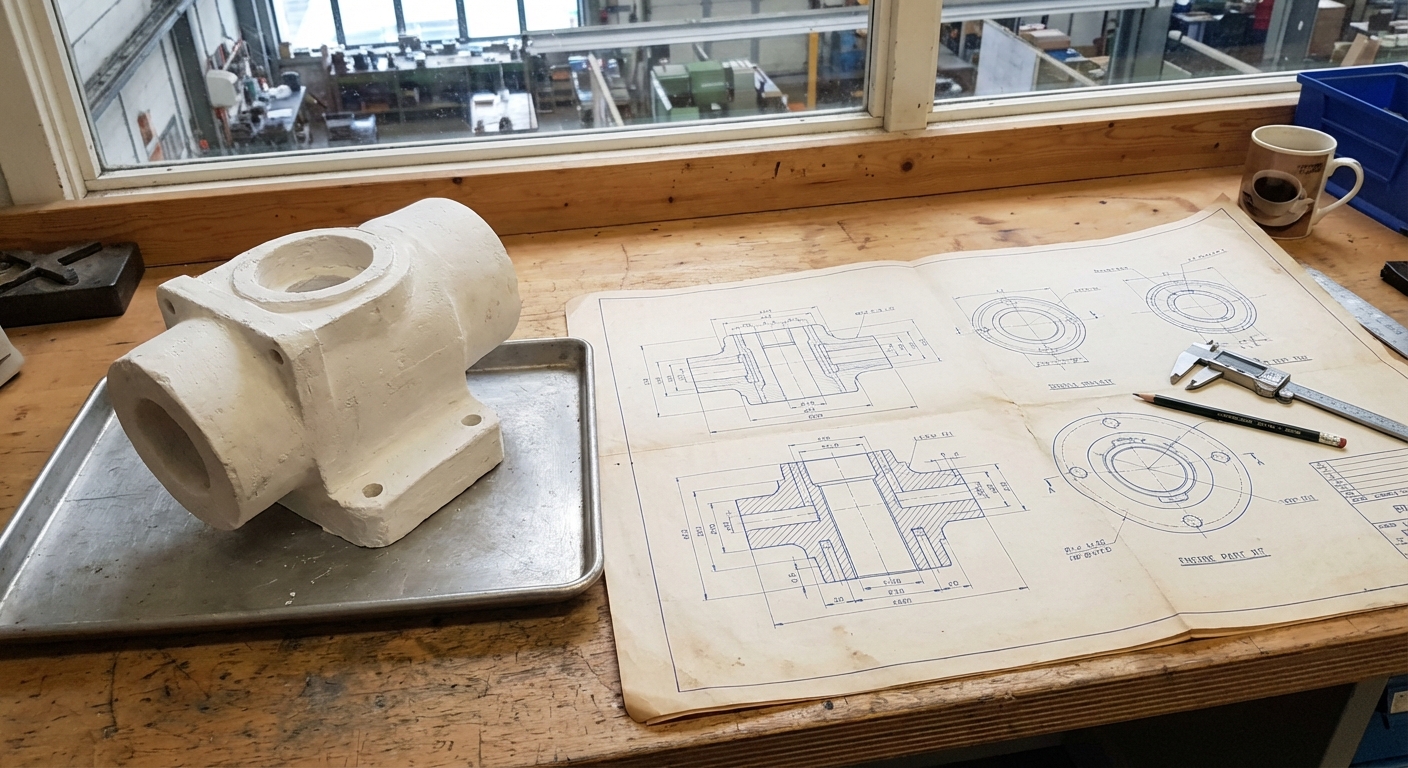
Casting helps Plastic Injection Moulding by acting as a low-cost testing ground where you can identify design flaws, flow issues, and structural vulnerabilities before cutting metal. When you integrate casting into your workflow at Futurismold , you effectively eliminate the most expensive risks of manufacturing. It allows you to verify that your chosen wall thicknesses are sufficient and that your assembly points align perfectly. This physical validation is something a computer simulation simply cannot replicate with 100% certainty.
Furthermore, casting allows you to experiment with different resin types on a small scale. You can cast five parts in an ABS-like resin and five in a PP-like resin to see which performs better in the field. This hands-on data informs your final material selection, ensuring that your high-volume production run is optimized for performance and cost. It is the bridge between a good idea and a flawless finished product.
Validating Design Geometries
A 3D model on a screen can be deceiving. But here’s the reality:
- Physical casts reveal ergonomic issues that CAD misses.
- They allow you to test “snap-fits” and sliding mechanisms.
- Casting identifies areas where the part might be too thin or prone to breakage.
By handling a casted part, you get a true sense of its weight and balance. This tactile feedback is essential for consumer products that need to feel substantial and high-quality.
Reducing Early-Stage Risks
Every modification to a steel mold costs thousands. So, consider this:
- Casting allows you to make “mistakes” on a $500 plaster mold instead.
- You can refine the geometry multiple times for a fraction of the cost.
- It prevents the catastrophic loss of a six-figure tooling investment.
The goal is to enter the injection molding phase with a “frozen” design that you know works. Casting provides the evidence you need to move forward with total confidence.
Simulating Production Resins
You need to know how the part will behave in the real world. The good news is:
- Casting resins are engineered to mimic the properties of common plastics.
- You can perform drop tests and thermal tests on these samples.
- The results are highly indicative of how the final molded part will perform.
Key TakeawayIntegrating plaster casting into the development cycle dramatically reduces manufacturing risk by providing a physical environment to test and refine part performance.
| Validation Type | What You Learn | |
|---|---|---|
| Fitment Testing | Confirms all components in an assembly work together | |
| Functional Testing | Verifies the part can withstand intended mechanical loads | |
| Aesthetic Approval | Allows stakeholders to sign off on the final look and feel |
Where is casting used in Plastic Injection Moulding?
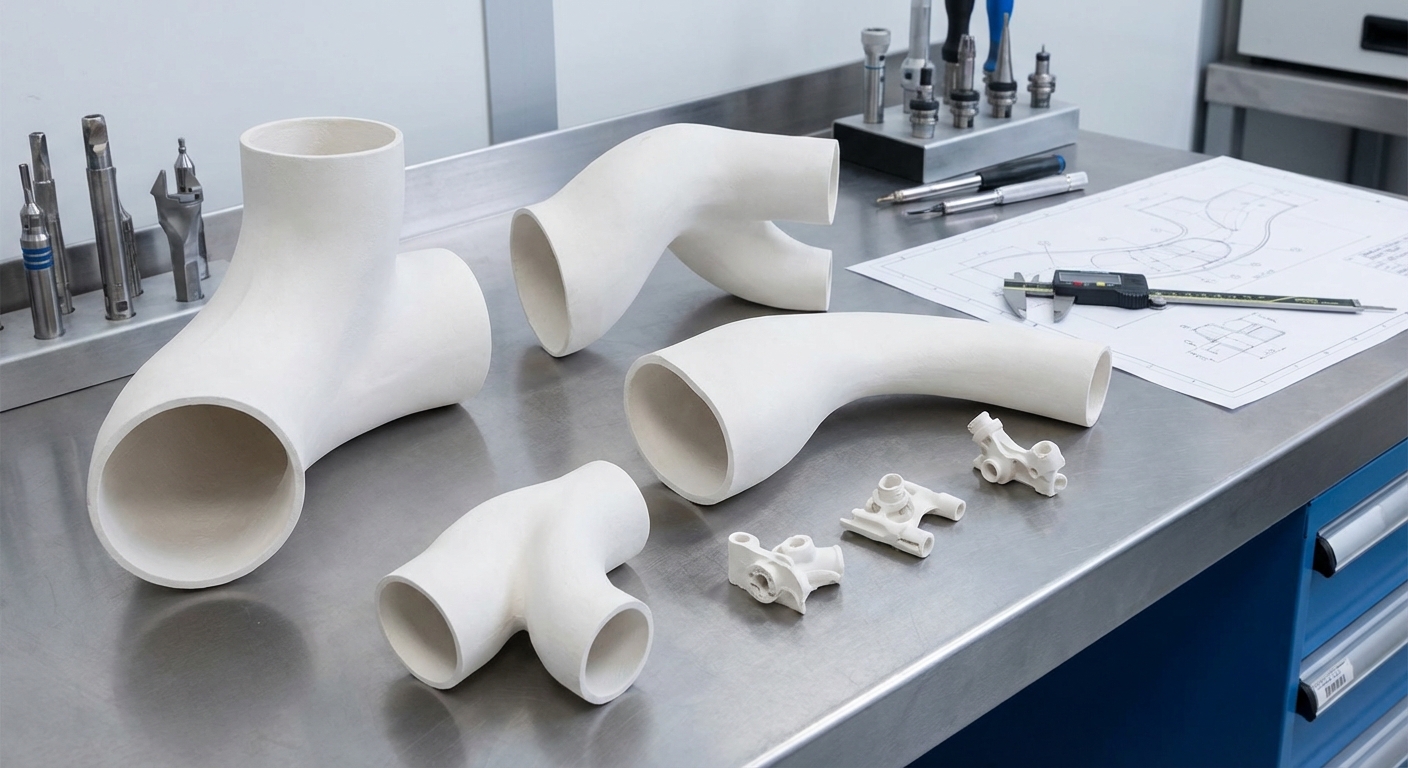
Casting is primarily used in the aerospace, medical, and automotive industries to produce high-precision, low-volume components that would be too expensive to mold traditionally. In Plastic Injection Moulding, these sectors often require complex internal geometries—like air ducts or cooling channels—that are difficult to achieve with standard tooling. Plaster casting excels here because the mold can be broken away from the part, allowing for shapes that are physically impossible to “de-mold” from a steel tool. It provides a level of freedom that expands what your engineers can dream up.
In the medical field, casting is often used for surgical instrument prototypes where the surface finish must be perfectly smooth to prevent bacterial growth. Aerospace engineers use it for lightweight ducting and housings that require the strength of a molded part but only need a production run of 10 or 20 units. By utilizing this process, these industries can innovate faster without the massive overhead of permanent tooling.
Aerospace Prototyping
In aviation, parts are complex and production runs are small. As a result:
- Casting creates complex turbine blades and manifold systems.
- It allows for the use of high-performance resins in small batches.
- Weight-saving designs can be tested without expensive carbon-fiber tooling.
This flexibility allows aerospace firms to refine aerodynamics and thermal management systems on the fly. It is the secret weapon behind many modern aircraft innovations.
Medical Device Development
Medical hardware must be perfect before it ever touches a patient. That’s why:
- Casting provides functional prototypes for surgical tool handles.
- It allows for sterilization testing on medical-grade resins.
- Low-volume production runs are possible for specialized clinical trials.
The high detail of plaster casting ensures that every grip and button on a medical device feels exactly as it will in final production. This level of fidelity is critical for user-safety and regulatory approval.
Architectural and Industrial Models
Sometimes a 1:1 scale model is the only way to sell a vision. Because here’s the point:
- Large-scale casting creates durable models of complex structural joints.
- It allows architects to test the light-filtering properties of different resins.
- Industrial designers use it to present high-fidelity “works-like” models to CEOs.
Key TakeawayPlaster casting is the go-to solution for high-complexity, low-volume sectors where precision and design freedom outweigh the need for mass-production speed.
| Industry | Primary Use Case | |
|---|---|---|
| Aerospace | Complex ducting and manifold validation | |
| Medical | High-fidelity surgical tools and trial equipment | |
| Automotive | Intake manifold and cooling system prototyping |
What are Plaster Casting’s top advantages?
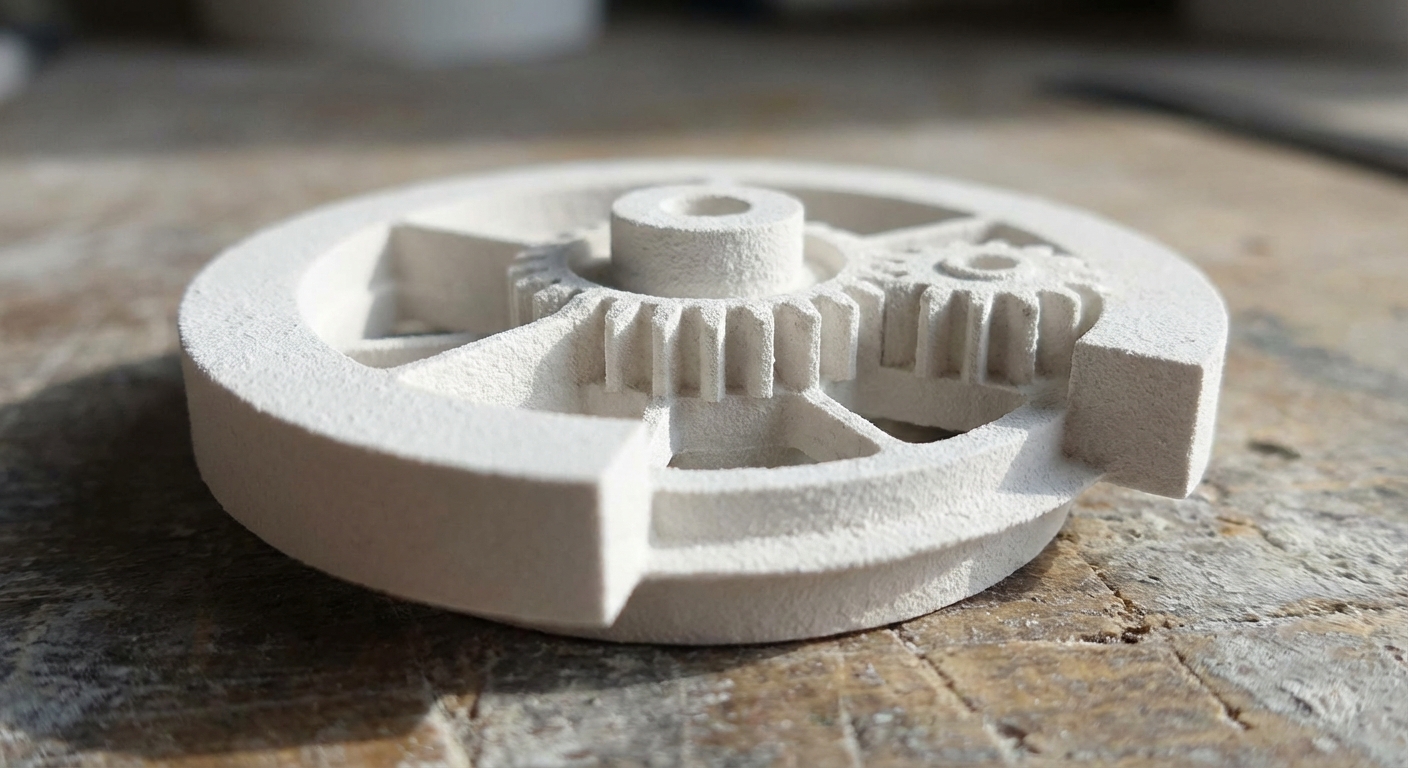
The top advantage of plaster casting is its ability to produce parts with exceptional surface finishes and thin-wall accuracy that rival final Plastic Injection Moulding components. While 3D printing often leaves visible layers that must be sanded down, a plaster cast part captures the smooth surface of the master pattern perfectly. This makes it the ideal choice for parts that need to be painted, chrome-plated, or used as high-fidelity aesthetic samples. You get the quality of a $20,000 tool for a few hundred dollars.
Additionally, plaster casting offers incredible dimensional accuracy. The process is very predictable, with low shrinkage rates compared to other prototyping methods. You can produce parts with wall thicknesses as thin as 0.5mm, which is often a requirement for modern electronic housings. It gives you the power to test the limits of your design before you’ve spent a dime on production-grade steel.
Fine Surface Detail
Nobody wants a prototype that looks like it was made in a basement. The truth is:
- Plaster captures every detail, from engraved logos to fine textures.
- The resulting parts are virtually indistinguishable from molded ones.
- This saves you dozens of hours in post-processing and hand-finishing.
When you present a plaster-casted part to a client, they are seeing the final product. This speeds up the approval process and builds confidence in your manufacturing capabilities.
Cost-Effective Small Batches
Scaling up shouldn’t break the bank. Look at it this way:
- Plaster casting is much cheaper than CNC machining for 20+ parts.
- It allows you to use your R&D budget for multiple design iterations.
- You can produce a “bridge” batch of parts while your permanent tool is being built.
This financial flexibility allows you to stay lean and agile. You can pivot your design based on early feedback without incurring massive tooling write-offs.
Freedom of Geometry
Standard molds have rules about “draft angles” and “undercuts.” But wait:
- Plaster molds can be broken apart, allowing for “trapped” geometries.
- You can design parts with complex internal channels and hollow cores.
- It enables the creation of organic shapes that are impossible to machine.
Key TakeawayPlaster casting offers a unique combination of extreme surface fidelity, dimensional precision, and geometric freedom that other prototyping methods cannot match.
| Advantage | Business Impact | |
|---|---|---|
| High Surface Fidelity | Reduces the need for manual finishing and painting prep | |
| Geometric Freedom | Allows engineers to design more efficient, complex parts | |
| Predictable Accuracy | Ensures prototypes function exactly like final production parts |
How to choose for Plastic Injection Moulding?
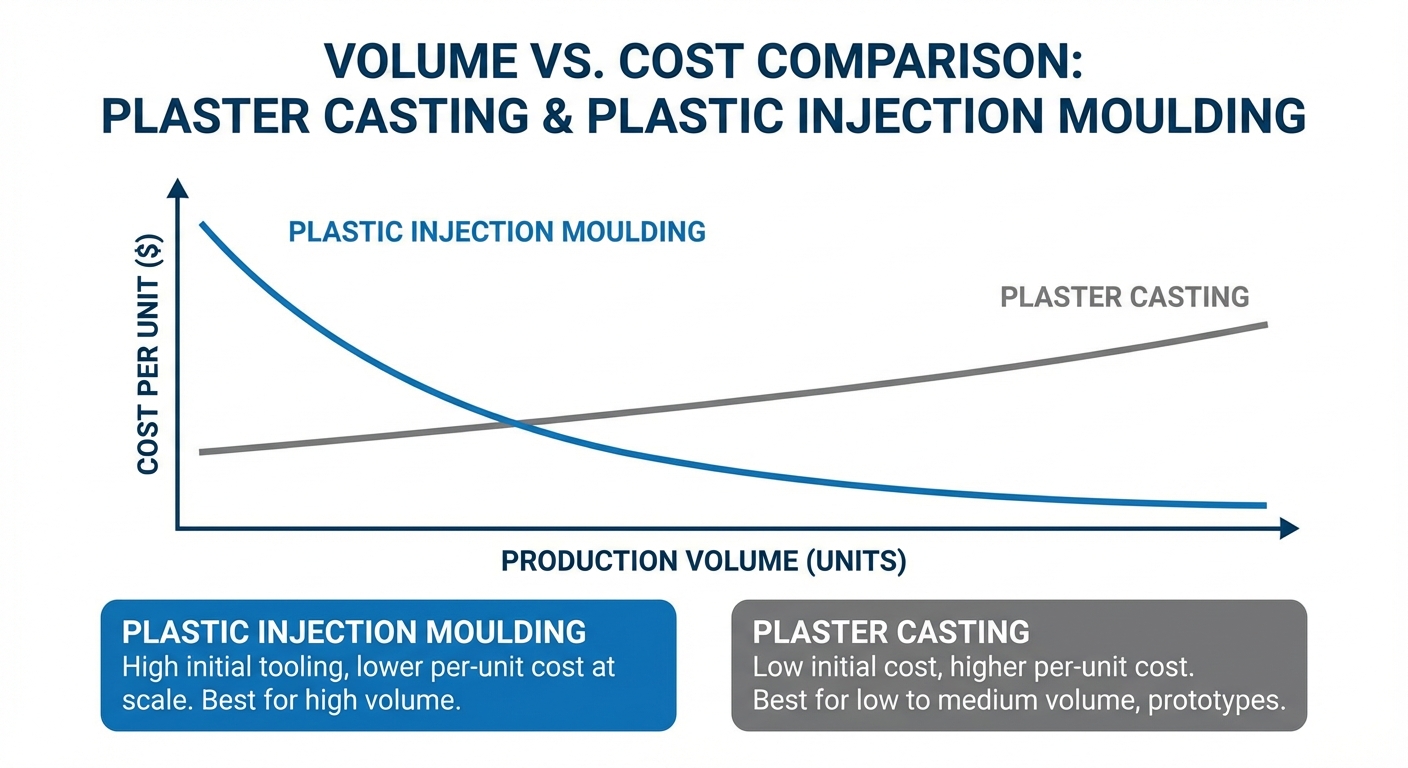
Choosing for Plastic Injection Moulding depends on balancing your production volume, budget, and the specific mechanical requirements of your end-use application. If you need 10,000 parts with high impact resistance and a glossy finish, ABS is your clear winner. However, if you are in the R&D phase and only need 15 parts to prove a concept, plaster casting is the smarter financial move. You must look at the entire lifecycle of your product to make the most informed decision.
Consider the environment your part will inhabit. Will it be exposed to chemicals (PP), extreme heat (PC), or high mechanical friction (Nylon)? Mapping your functional needs to the resin properties we’ve discussed is the first step toward a successful launch. Don’t be afraid to use a “hybrid” approach: use plaster casting for validation and then transition to high-volume injection molding once the design is perfected.
Identify Functional Requirements
Every design has a “critical failure point.” Ask yourself:
- Does this part need to be transparent or opaque?
- Will it be subjected to heavy loads or chemical exposure?
- Is cost-per-unit more important than absolute durability?
Once you answer these questions, the right resin becomes obvious. Choosing based on performance rather than just price will save you from costly product recalls later.
Evaluate Production Volume
Your total quantity dictates your manufacturing method. It’s a simple calculation:
- For 1-100 parts, use plaster casting or 3D printing.
- For 100-500 parts, consider aluminum rapid tooling.
- For 1,000+ parts, high-volume injection molding is the only way to go.
Matching the process to the volume ensures you aren’t overpaying for tooling. It keeps your per-part cost in line with your business model.
Consult with Experts
You don’t have to navigate this alone. Remember this:
- Manufacturing partners can suggest resin blends that save you money.
- They can identify design flaws that will cause molding issues.
- Early collaboration leads to a smoother, faster speed-to-market.
Key TakeawayThe most successful manufacturing strategy combines early-stage plaster casting for design validation with a data-driven choice of the five common resins for final production.
| Decision Factor | Optimal Choice | |
|---|---|---|
| High Impact + Gloss | ABS Resin | |
| Low Volume Prototyping | Plaster Casting | |
| Mechanical Friction/Heat | Nylon Resin |
At the end of the day, your success in manufacturing depends on choosing the right tools and materials for the job. Whether you are leveraging the incredible flexibility of Polypropylene or the high-strength performance of Nylon, understanding these resins is the foundation of a quality product. By integrating plaster casting into your early development stages, you ensure that your design is bulletproof before it ever reaches a high-volume production line. We are dedicated to helping you navigate these complex choices with engineering-grade precision and unmatched manufacturing support. To get started on your next project and ensure a flawless transition from prototype to production, contact us today for a professional consultation and a detailed quote tailored to your specific needs.
Frequently Asked Questions
Can I use Nylon for parts that will be submerged in water?Nylon is prone to moisture absorption, which can lead to dimensional changes and a reduction in mechanical properties over time. For submerged applications, Polypropylene or specialized stabilized resins are often better choices because they do not absorb water.
What’s the best resin for a part that needs to be painted or plated?ABS is widely considered the best resin for secondary finishes like painting or chrome plating. Its chemical composition allows paints and coatings to adhere much more effectively than on “slicker” plastics like Polypropylene or Polyethylene.
How do I know if I should use plaster casting instead of 3D printing?If your part requires a perfectly smooth surface finish, very thin walls, or needs to be made of a specific resin that mimics injection moulding, plaster casting is superior. 3D printing is faster for rough “fit” checks, but casting is better for functional and aesthetic validation.
Can I transition directly from a plaster cast design to a steel mold?Yes, but you must account for the different shrinkage rates of the final resin. While the geometry can transition, the final mold design must be optimized by an expert to account for the specific flow and cooling characteristics of the mass-production resin.
What’s the best way to reduce costs in the initial stages?The most effective way is to use plaster casting to finalize your design before any steel is cut. This prevents the “trial and error” phase from occurring within expensive permanent tools, which can cost five to ten times more than a casting setup to modify.